
The Breed
Origins
Siberian Cats
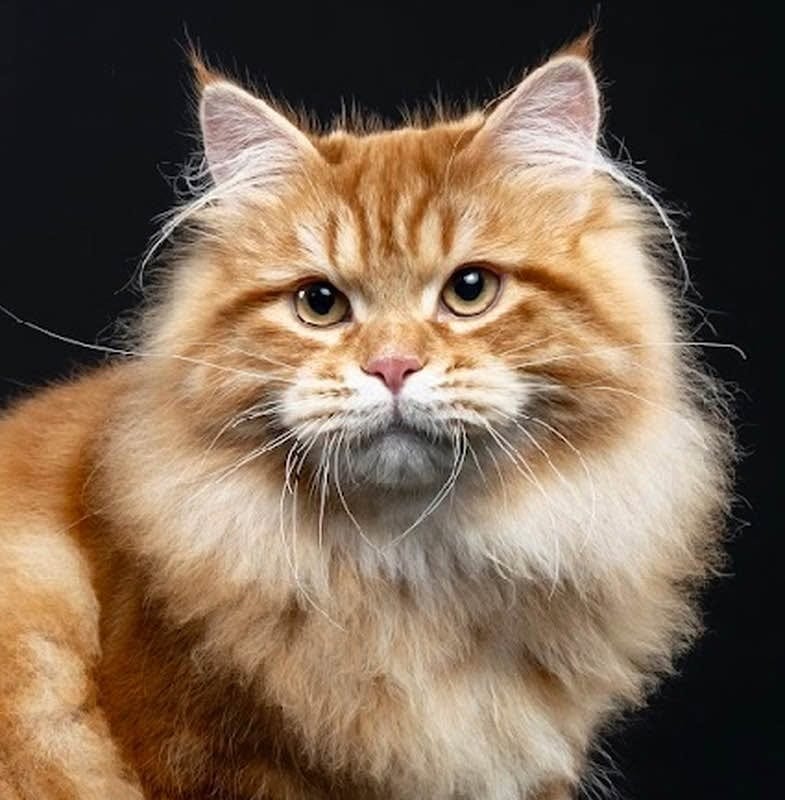
The Siberian is one of the oldest natural cat breeds in the world, originating in Russia and evolving over centuries in a harsh northern climate. That environment shaped everything about them: a triple-layered, water-resistant coat, powerful musculature, and a deeply intelligent, adaptable nature.
As a natural breed, the Siberian developed over generations through survival rather than deliberate crossbreeding for a particular look. The breed was formally recognized by TICA in 1992 and was accepted for CFA championship competition in 2006. Today, NobleCrest is proud to support the Siberian's enduring heritage through a thoughtful breeding program centered on health, temperament, and responsible stewardship.
Temperament
Siberians are dog-like in their loyalty. They follow their people from room to room, greet guests at the door, and form deep bonds with every member of the household, including children and other pets. They are playful well into adulthood, yet calm and gentle with the very young.
Intelligence
Highly problem-solving and curious, Siberians learn quickly and enjoy interactive play. Many learn to fetch, respond to their names, and even open doors. They communicate with a soft chirping trill rather than a loud meow, a sound that feels more like a conversation than a demand.
The Coat
The Siberian coat is a marvel of natural engineering, with three layers of fur that repel water, insulate against cold, and shed minimally compared to other long-haired breeds. It requires surprisingly little grooming: a weekly brush is usually sufficient, and the coat rarely mats.
Size & Build
Siberians are a large, powerful breed. Males typically reach 15-20 lbs, females 10-14 lbs. They are slow to mature, reaching full size around age 5. Despite their size, they are agile, athletic, and remarkably graceful.
For prospective families
Resources for choosing a healthy Siberian kitten
The Siberian Cat Health Association offers practical education to help families make informed choices before bringing home a kitten. Its resources explain common health topics, including cardiac health, hypertrophic cardiomyopathy (HCM), feline infectious peritonitis (FIP), and genetic testing.
Their guidance can help you know what to ask a breeder: which health screenings have been completed, how results are shared, how kittens are raised, and what ongoing support is available after placement.
The association also shares advice on recognizing warning signs of kitten scams, so families can take their time, verify information, and choose a breeder with confidence.
For allergy sufferers
The hypoallergenic question
No cat is truly hypoallergenic, but Siberians are widely regarded as one of the most allergy-friendly breeds available. The reason is Fel d 1, the protein in cat saliva and skin secretions that triggers most human allergic reactions.
Siberians naturally produce significantly lower levels of Fel d 1 than most other breeds. Many people who have lived their whole lives believing they could never have a cat find that a Siberian changes everything.
At NobleCrest, we are happy to arrange a visit for allergy sufferers before you commit to a kitten. We want every placement to be a lasting one, and that means making sure the match is right for your body as well as your heart.